
.png)
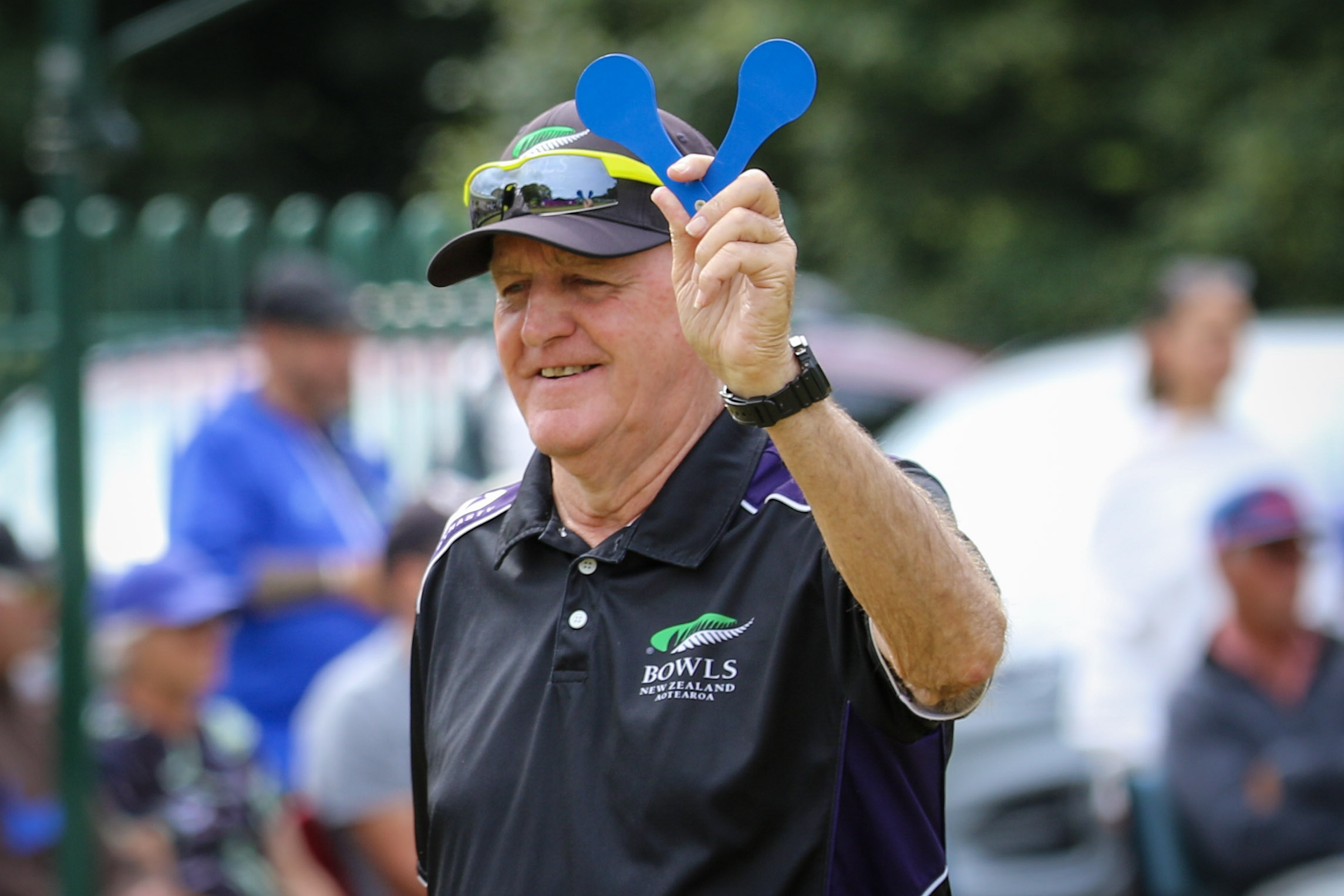
With a background at the highest level of football refereeing and a career dedicated to officiating, Steve Sargent brings a wealth of experience, discipline, and game awareness to bowls umpiring. From international football to the world stage of bowls, his journey reflects a lifelong commitment to the laws of sport and a passion for contributing to the game.
.jpg)


—
How did you first get involved in bowls, and then in umpiring?
Before bowls, I was heavily involved in football refereeing — I was a National League referee and a FIFA referee, ranked number one in New Zealand at the time. Officiating really aligned with my career as a Police Officer, enforcing laws and maintaining fairness.
After retiring from football refereeing in 2002, I took up bowls at Raumati Bowling Club after a friend introduced me to the game. I picked it up quickly, and given my officiating background, it was a natural progression to move into umpiring — qualifying as a Level 1 umpire in 2006 and progressing from there.
What drew you to officiating?
Officiating has always been a big part of my sporting life. I’ve always enjoyed working within the laws of the game and contributing to fair play.
There are strong parallels between refereeing and umpiring —things like fitness, focus, knowledge of the laws, and the ability to work with people at all levels of the game.
Umpiring Journey
What have been some highlights of your umpiring journey so far?
Progressing through the umpiring levels and becoming an International Technical Official has been a major highlight.
Have you officiated at any major or international events before?
Yes — I’ve been fortunate to officiate at multiple international events including World Bowls Championships, Asia Pacific tournaments, Commonwealth Games, Trans-Tasman events, and World Cup events.
Each of these experiences has provided opportunities to learn, grow, and connect with other officials from around the world.
Commonwealth Games
What was your reaction when you found out you’d been selected?
I was really pleased to be selected for what will be my second Commonwealth Games. It’s always special to have your application recognised and accepted.
What does this opportunity mean to you personally?
It’s an exciting opportunity — not just being part of the Games, but also travelling and reconnecting with people I’ve met through officiating over the years.
What does it mean to represent New Zealand in this role?
It’s a real honour to represent New Zealand on the international stage again and to be part of such a significant global event.
The Umpiring Role
What do you enjoy most about being an umpire?
It allows me to stay involved in the game at a level I wouldn’t have reached as a player.
I really enjoy the camaraderie — working with players, other officials, and administrators — and being part of what makes events possible.
What do you think makes a great umpire?
Fitness, strong knowledge of the laws, and the ability to work well as part of a team are key.
It’s also about communication — being able to manage different people across the game, from players through to coaches and officials.
Looking Ahead
What are you most looking forward to at the Commonwealth Games?
I’m looking forward to the experience as a whole — travelling, being part of the Games environment, and catching up with fellow international officials.
Quick Fire
What’s something people might be surprised to learn about you?
I’m a bit of a perfectionist and like to do things to the best of my ability, but I actually see umpiring as a form of relaxation compared to my football refereeing days.
What advice would you give to someone thinking about becoming an umpire?
I’d absolutely encourage it. Umpiring — especially at grassroots level — plays a huge role in the game. It also helps improve your own understanding and ability as a player.


105A Jervois Road, Herne Bay
Auckland, New Zealand







.webp)
